This guide shows what to look for in a Sydney tattoo artist’s portfolio so they can choose confidently before booking and paying a deposit.
What should they look for first in a Sydney tattoo artist’s portfolio?
When looking for the best Sydney tattoo artists, clients should start with consistency, not just one viral piece. A strong artist demonstrates repeatable quality across many tattoos, not just a handful of highlights.
Look for clean linework, smooth shading, solid saturation, and balanced compositions across different body parts. If the best work only appears in one style or under certain lighting, it could be a warning sign.
How can they tell if the artist truly matches their style?
They should look for at least 10 to 20 examples in the exact style they want. “Versatile” can be good, but it can also mean they are still developing.
If someone wants fine line, they should check for crisp, unshaky lines and controlled spacing. If they want realism, they should look for believable contrast and skin-friendly detail. If they want traditional, they should look for bold outlines and confident color packing.
What details reveal technical skill beyond pretty photos?
They should zoom in. Clean tattoos hold up under close inspection, even on a phone screen.
They should check whether lines end neatly, circles look round, and gradients fade smoothly without patchiness. In color work, they should look for even saturation without overworked skin. In black and grey, they should look for contrast that reads clearly without turning muddy.
Why do healed tattoos matter more than fresh tattoos?
Fresh tattoos can look perfect because swelling, ointment, and lighting hide flaws. Healed photos show what the tattoo actually becomes on that person’s skin.
They should look for a “healed” highlight or posts labelled healed, ideally several months old. They should check whether fine lines have spread, whether blacks stayed solid, and whether details are still readable. If an artist rarely shows healed work, they should ask why.
How can they spot heavy editing or misleading lighting?
They should watch for the same bright lighting and glossy shine in every photo. That can be a sign of filters, editing, or fresh-only content.
They should compare skin texture across posts. Over-smoothing can hide irritation and blowouts. They should also be cautious if every tattoo is photographed from far away with no close-ups, or if blacks look unnaturally “inked in” with extreme contrast. You may like to visit https://www.healthdirect.gov.au/body-piercing-and-tattoos to learn more about body piercings and tattoos.
What should they look for in linework if they want fine line or script?
They should look for stability and spacing. Fine line tattoos fail when lines wobble, letters touch, or strokes are too thin for the placement.
They should check consistent line weight, clean corners, and legible script without crowding. If the artist mostly posts micro pieces without healed shots, they should assume those tattoos may blur over time and ask for long-term healed examples.
How can they judge realism portfolios without being fooled by detail?
They should focus on readability, not tiny texture. The best realism tattoos use strong values that still make sense from a few steps back.
They should look for clean transitions, correct light direction, and enough contrast to survive healing. If a realism tattoo looks grey, flat, or overly busy, it may heal even softer. They should also check whether the artist can place realism to fit body flow, not just paste an image onto skin.
Do they need to worry about placement and body flow?
Yes. A tattoo that looks great in isolation can look awkward if it fights the body’s natural lines.
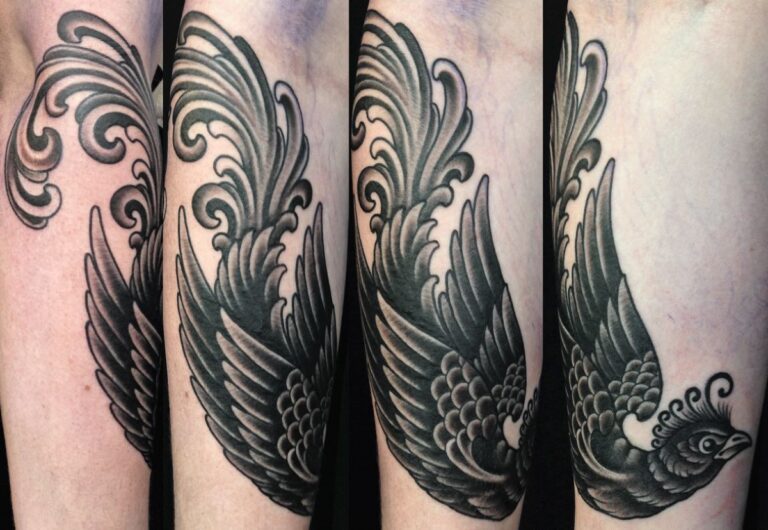
They should look for pieces photographed from multiple angles, especially for sleeves, ribs, hips, shoulders, and calves. They should check whether the design wraps naturally and whether negative space is used intentionally. If all images are cropped tightly, it may hide weak placement.
What red flags should they notice in a portfolio?
They should be cautious if the portfolio has frequent blowouts, shaky lines, inconsistent shading, or inflamed skin in “fresh” photos. Those patterns usually repeat.
They should also watch for style-switching without depth, lots of reposted flash with few real tattoos, or missing attribution when guesting. If the artist deletes critical comments or has constant drama posts, it may signal poor client management.
How should they compare Sydney tattoo artists fairly?
They should compare similar work, not different styles. A fine line specialist and a traditional artist should not be judged using the same criteria.
They should shortlist three to five artists and review: healed examples, consistency, placement choices, and how often the artist produces tattoos like the one they want. Then they should message with a clear brief: size, placement, references, and budget range, and judge the clarity of the response. Check out more about Eastern Suburbs Tattoo Trends: Minimalist to Full-Sleeve Designs.
What should they ask before paying a deposit?
They should ask about pricing structure, rescheduling rules, touch-up policy, and aftercare support. They should also confirm whether the artist designs custom work and when the design will be shown.
If they have cover-up needs, scarring, or darker skin tones, they should mention it early and ask for examples on similar skin and scenarios. A good artist will answer directly and set realistic expectations.
How can they make the final decision with confidence?
They should choose the artist whose healed work, consistency, and communication match the tattoo they want, not the artist with the biggest following.
If anything feels unclear, they should pause before committing. The best Sydney tattoo artists usually make the decision easy: their portfolio reads clean, their healed work holds up, and their process is straightforward. That’s the kind of confidence worth paying for.
FAQs (Frequently Asked Questions)
What should I look for first when reviewing a Sydney tattoo artist’s portfolio?
Start by checking for consistency across multiple tattoos, not just one viral or standout piece. Look for clean linework, smooth shading, solid saturation, and balanced compositions on different body parts to ensure the artist delivers repeatable quality.
How can I tell if a Sydney tattoo artist matches my preferred tattoo style?
Look for at least 10 to 20 examples of tattoos in the exact style you want. For fine line tattoos, check for crisp, steady lines and controlled spacing. For realism, seek believable contrast and skin-friendly detail. For traditional styles, look for bold outlines and confident color packing.
Why are healed tattoo photos more important than fresh ones in a portfolio?
Fresh tattoos often appear perfect due to swelling, ointment, and lighting that hide flaws. Healed photos reveal how the tattoo truly looks on skin after months, showing whether fine lines have spread, blacks stayed solid, and details remain clear. Always ask if healed work is rarely shown.
How can I spot heavy editing or misleading lighting in tattoo portfolios?
Watch for consistently bright lighting and glossy shine in every photo, which may indicate filters or editing. Compare skin texture across posts to detect over-smoothing that hides irritation or blowouts. Be cautious if tattoos are only photographed from far away without close-ups or if blacks look unnaturally intense.
What red flags should I watch out for when evaluating a Sydney tattoo artist’s portfolio?
Be cautious of frequent blowouts, shaky lines, inconsistent shading, or inflamed skin in fresh photos as these issues tend to repeat. Also watch for artists who switch styles without depth, repost flash art instead of real tattoos, omit guesting credits, or delete critical comments and post constant drama.
How do I compare Sydney tattoo artists fairly before booking?
Compare artists specializing in the style you want rather than mixing different styles like fine line versus traditional. Shortlist three to five artists and review their healed examples, consistency, placement choices, and frequency of producing your desired tattoo type. Then contact them with a clear brief including size, placement, references, and budget to gauge responsiveness.